
Understanding Hair Fall: Causes, Symptoms & What You Can Do
Hair fall is something many of us face at some point. A few strands in your brush or shower drain might seem normal, but when it becomes frequent or visible, it raises concern. Hair fall isn’t just cosmetic — it can signal deeper issues like nutrition deficiencies, hormonal imbalance, stress, or scalp problems. In this article, you’ll learn what triggers hair fall, how to spot warning signs, and realistic steps you can take to slow or reverse it.
Common Causes of Hair Fall
Here are some of the most frequent contributors to hair fall:
Genetics / Androgenetic Alopecia
If early hair loss runs in your family, you may be genetically predisposed to thinning or baldness over time.Hormonal Imbalances
Thyroid disorders, menopause, pregnancy, or polycystic ovary syndrome (PCOS) can disrupt hormone levels and trigger hair shedding.Poor Diet & Nutrition Deficiencies
Lack of protein, iron, zinc, vitamin D, and biotin undermines hair’s building blocks.Stress & Lifestyle Factors
High stress, poor sleep, and unhealthy habits push more follicles into the “resting” phase, leading to shedding.Scalp Conditions & Infections
Dandruff, fungal infections, psoriasis, and scalp dermatitis irritate roots and can cause hair loss.Physical or Chemical Trauma
Overuse of heat tools, tight hairstyles (traction), harsh chemicals, bleaching, or repeated coloring weakens strands.Medical or Drug-Related Causes
Certain medicines, autoimmune diseases, or major surgery can cause temporary or permanent hair loss.Environmental / External Factors
Pollution, UV damage, water impurities (for instance, reports of contaminated water causing hair fall in some areas) can stress hair.
What Is Normal vs Excessive Hair Fall?
It’s normal to lose about 50-100 hairs per day as part of the hair growth cycle.
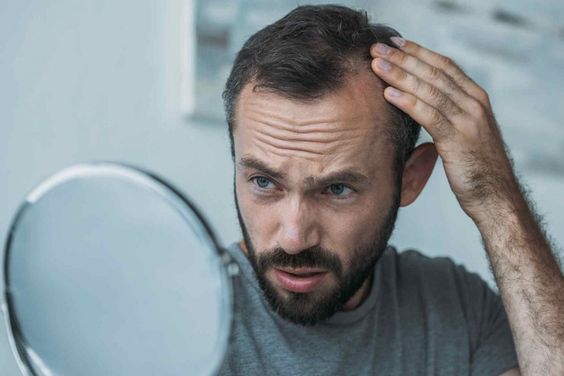
You should worry if you notice clumps of hair, visible thinning (especially at your crown, part line, or temples), or sudden hair loss in patches.
Also watch for scalp changes — redness, scaling, itching, or receding hairline — which suggest underlying problems.
How Hair Fall Progresses: Stages & Signs
| Stage / Sign | What Happens | What to Look For |
|---|---|---|
| Early / Mild | Thinning begins in small patches | Wider part line, more hair in comb |
| Moderate | Noticeable scalp in certain areas | Reduced hair density, lighter scalp showing |
| Advanced | Extensive hair loss or baldness | Large bald patches, receded hairline |
| Spot / Patch Loss | Sudden, localized hair loss | Bald spots, sometimes circular |
Real-Life Example: Unexpected Hair Loss in India
In early 2025, in Maharashtra’s Buldhana district, many people experienced sudden, dramatic hair loss. Investigations suggested high selenium levels in wheat (consumed regularly) as a possible culprit. www.ndtv.com+2India Today+2 This case shows hair fall isn’t always about genetics — diet and environment can play a critical role.
What You Can Do: Prevention & Treatment
1. Get a Thorough Diagnosis
See a dermatologist or trichologist. Blood tests (iron, thyroid, hormones) and scalp checks help pinpoint causes.
2. Improve Nutrition
Add more protein (eggs, legumes, lean meat), leafy greens, nuts, seeds, and foods rich in iron, zinc, and vitamins.
3. Manage Stress & Sleep Well
Meditation, exercise, and ensuring 6–8 hours of quality sleep help your body recover and reduce hair fall.
4. Use Gentle Hair Care
Avoid tight hairstyles, reduce heat styling, choose mild shampoos, and treat your hair gently.
5. Medical / Clinical Options
- Minoxidil / Finasteride (as per doctor)
- PRP (Platelet-Rich Plasma) therapy to stimulate follicles
- Low-Level Laser Therapy (LLLT)
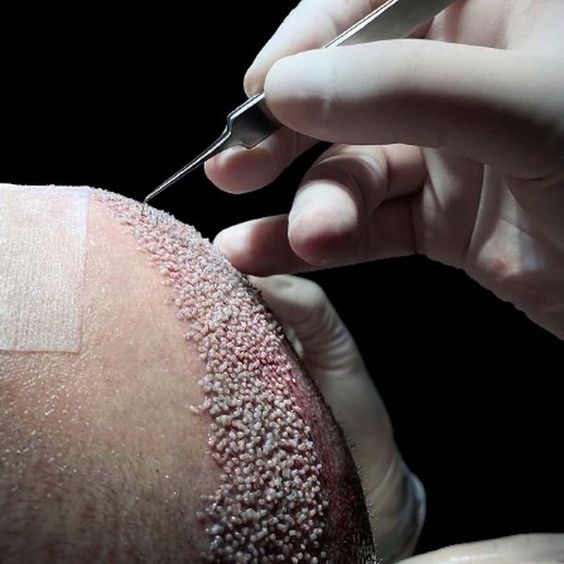
- Hair transplant (FUE / FUT / hybrid methods) — when other measures aren’t enough
6. Lifestyle Adjustments
Stay hydrated, avoid smoking, limit alcohol, minimize environmental exposure (pollution, harsh water), and regularly massage the scalp to improve blood flow.
When to Seek Help
- Hair shedding continues beyond 3–4 months
- You see patchy bald areas
- Scalp is painful, inflamed, or scaly
- You suspect an underlying medical condition (thyroid, anemia, hormonal issues)
- Rapid hair loss over days
- Early intervention usually leads to better outcomes.
Conclusion
Hair fall is a complex issue, with many possible triggers—genetics, health, diet, environment, stress. The good news is that with the right diagnosis and consistent care, many people can slow or reverse hair fall.
At Supermax Hair Transplant Clinic, we help you understand why your hair is falling, and guide you through tailored treatments — whether clinical therapies or surgical solutions.